Rhinova Biotech · Regenerative nasal medicine

Engineering function. Restoring identity.

Rhinova Biotech is developing patient-specific bone and cartilage, combining regenerative medicine with 3D precision to restore nasal anatomy, function, and natural form.

In development. Not approved for clinical use.

The problem

Different causes. One complex reconstructive challenge.

Patients can lose or damage nasal bone and cartilage through trauma, cancer, military injury, congenital conditions, animal bites, and complications from previous surgery.

    58%

    of facial-fracture-related U.S. emergency department visits involved the nasal bone, making it the most commonly involved facial structure.

    5–15%

    Published studies report rhinoplasty revision rates within this range.

    11%

    subsequent revision rate was reported among patients already undergoing secondary septorhinoplasty in a large U.S. cohort.

    27.5%

    of nasal fractures in a large national trauma study were associated with motor vehicle accidents.

Behind every statistic is the same challenge: rebuilding complex anatomy while restoring structure, function, and identity.

Existing solutions

Reconstruction still borrows from the body.

Today's nasal reconstruction often relies on harvesting cartilage or bone from the rib, ear, septum, or other parts of the body. This can require an additional surgical site, increase operative time, and expose patients to additional pain, scarring, and donor-site complications.

Surgeons must manually shape and assemble grafts to recreate complex anatomy, with risks of warping, resorption, and revision. Rhinova is developing a patient-specific, 3D-fabricated approach designed for greater precision and predictability.

Current sources

  1. 01
    Rib cartilage
  2. 02
    Ear cartilage
  3. 03
    Septum
  4. 04
    Cadaver

Cadaveric tissue avoids harvesting from the patient, but can still have limitations in resorption, shaping, carving, integration and predictability.

Rhinova started from the opposite conviction: tissue should be regenerated, not borrowed.

Our solution

Two tissues. One patient-specific reconstruction.

Rhinova is developing patient-specific bone and cartilage components designed using medical imaging, computer-aided design, and 3D fabrication technologies. The goal is to recreate complex nasal anatomy with greater precision while restoring structural support, airflow, natural contour, and facial form.

  1. 01

    Image & analyze

    Medical imaging, existing anatomy, and — when available — preoperative photographs or other anatomical references can inform the reconstructive plan.

  2. 02

    Design

    Computer-aided design is used to create patient-specific bone and cartilage components based on the intended anatomical and functional outcome.

  3. 03

    Fabricate

    Patient-specific scaffolds are fabricated using 3D manufacturing technologies and regenerative biomaterials. Cartilage approaches may incorporate patient-derived cells and tissue maturation prior to implantation.

  4. 04

    Reconstruct

    The resulting components are designed for surgical reconstruction of nasal anatomy, with the goal of restoring structural support, natural contour, and airflow.

Bone

Regenerating patient-specific bone.

Osteoconductive regenerative constructs designed to restore anatomy, structural support, contour, and functional relationships within the nose.

Cartilage

Regenerating patient-specific cartilage.

Cell-based regenerative constructs designed to recreate patient-specific cartilage anatomy and restore support, airflow, and natural form.

Designed before the operating room.

Traditional reconstruction relies heavily on manually carving and shaping grafts during surgery. Rhinova's vision is to move more of that precision into the design and fabrication process — creating patient-specific components before implantation rather than relying solely on intraoperative carving.

The goal: greater anatomical precision, greater reproducibility, and potentially less time spent harvesting and manually shaping grafts during surgery.

Form and function, together.

Nasal anatomy determines both form and function. Small changes in the septum, nasal valves, cartilage, and surrounding structures can significantly affect airflow. Rhinova's patient-specific approach is being designed with both external anatomy and internal function in mind. Over time, computational modeling such as computational fluid dynamics may help evaluate how reconstructive designs could affect nasal airflow.

Rhinova's technology is in development and is not approved for clinical use or currently available to patients.

The vision

From reconstruction to regeneration.

Rhinova gives patients back what they lost, while minimizing donor-site morbidity.

The path

From bench to the operating room.

From scan to implant: our path to first-in-human.

  1. 2026

    Rhinova Biotech founded

    Rhinova is established to advance patient-specific regenerative solutions for nasal reconstruction.

  2. Stage 2

    Technology development & partnerships

    Build the research and manufacturing partnerships and define the product architecture.

  3. Stage 3

    Preclinical development

    Refine patient-specific design and fabrication while evaluating anatomical fit, bone-cartilage integration, biocompatibility, surgical handling, and functional performance.

  4. Stage 4

    Translational & regulatory development

    Advance scalable manufacturing, quality systems, and preclinical studies toward standardized GMP production and regulatory submission.

  5. Stage 5

    First-in-human study

    Subject to successful preclinical development and regulatory authorization, initiate an early clinical study of Rhinova's bone and cartilage implant for nasal reconstruction.

  6. Beyond

    Platform expansion

    Explore additional applications across complex nasal and craniofacial reconstruction, including more advanced bone and cartilage reconstruction and, where scientifically feasible, other anatomically related tissues and defects.

The timing of each stage depends on funding, technical results and regulatory authorization.

Team

Patient-founded, because we know this problem firsthand.

Rhinova was founded from firsthand experience with complex nasal reconstruction. We are building toward a future where reconstruction can restore health, anatomy, function, and a patient's sense of self — without requiring extensive tissue harvesting elsewhere in the body.

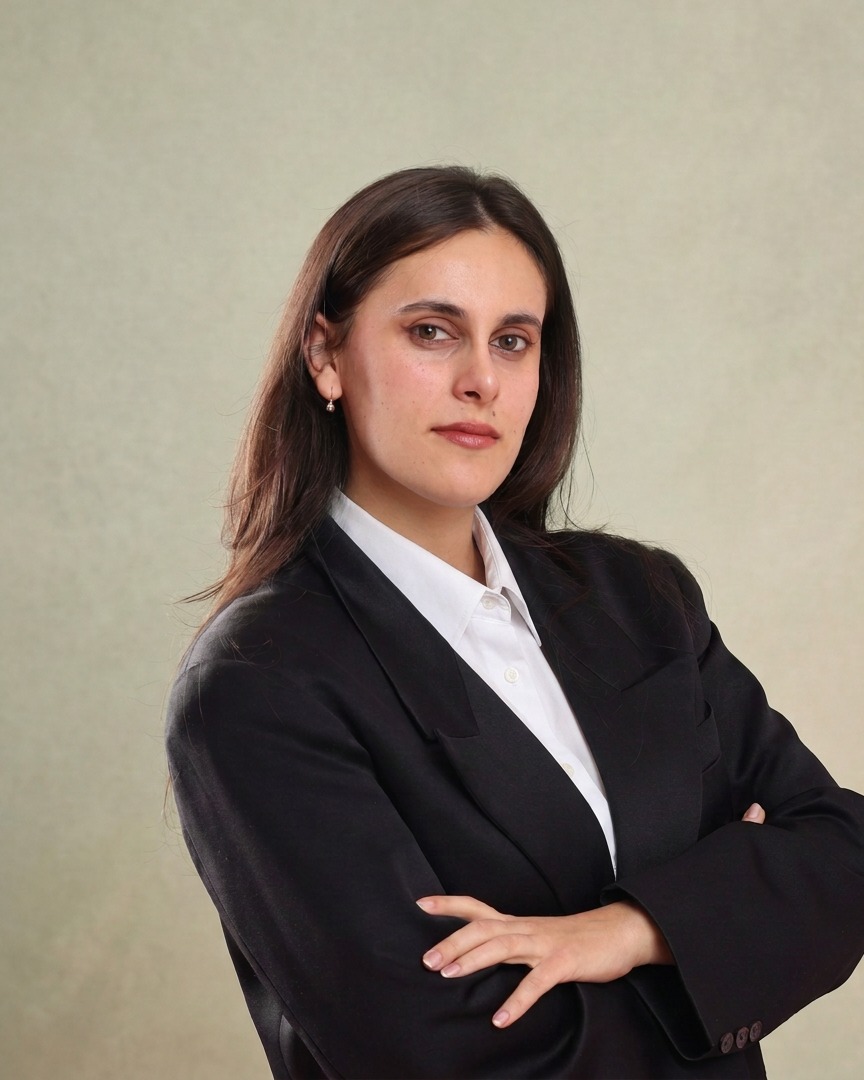
Ana Maria Cirjan

Chief Executive Officer

Ana Maria Cirjan

Ana is a pharmacist with experience in pharma, MedTech and healthcare business development. As CEO, she leads Rhinova's strategy, partnerships and fundraising, and brings the science, clinical partners and funding together.
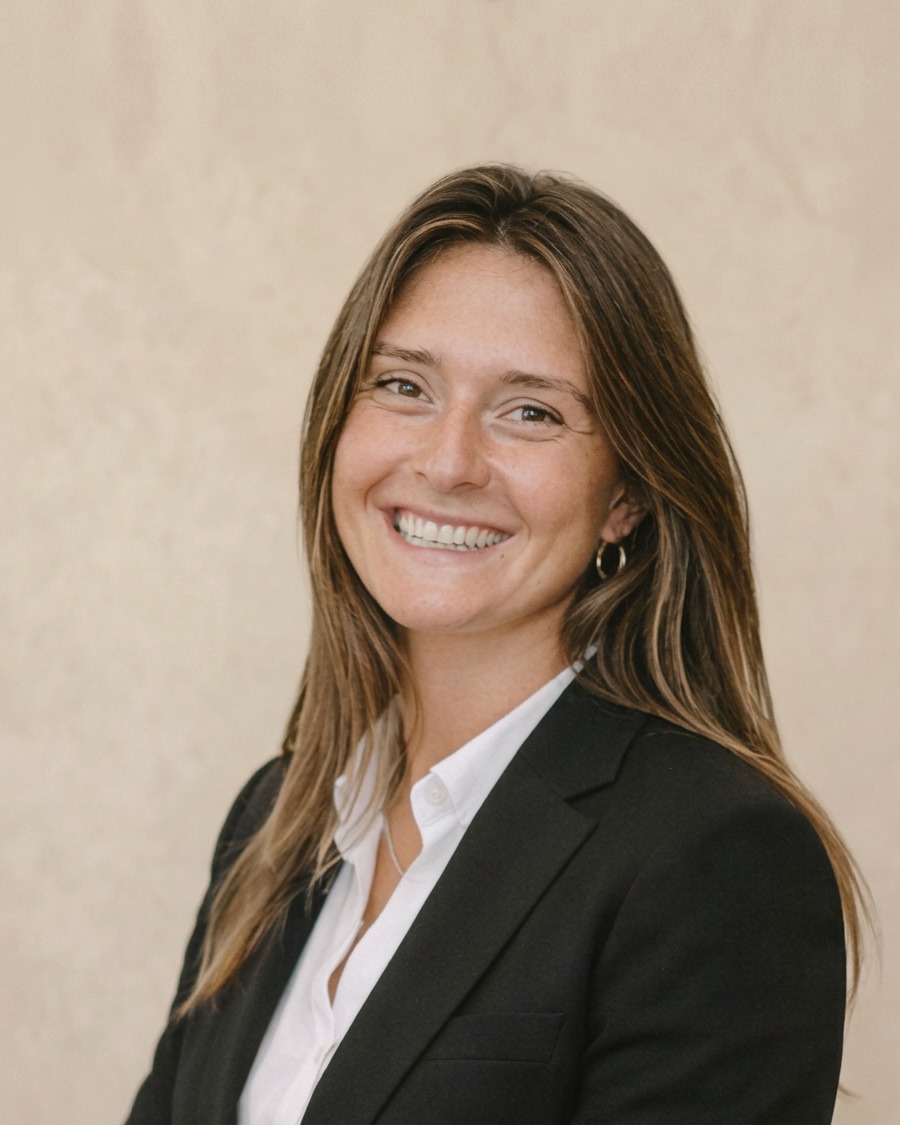
Katharine Derrey

Chief Marketing Officer

Katharine Derrey

Katharine leads Rhinova’s brand, marketing, and communications. With a background in media and storytelling, she focuses on translating complex science into clear, compelling narratives for patients, partners, and the regenerative medicine community.

Open role

Scientific co-founder

We're looking for a scientist in tissue engineering or regenerative medicine to join as a co-founder and lead technical development.

Talk to us

Upcoming events

Cocktails and conversation.

Join us for cocktails and conversation with researchers, clinicians, engineers and innovators shaping the future of regenerative medicine.

Reserve your place

Free · Register on Eventbrite

Date
Tuesday, November 17, 2026
Time
7:30 – 10:00 PM CST
Venue
Charles & Julia, 757 Saint Charles Avenue, New Orleans
Part of
TERMIS-AM 2026